How Carpet Mold Remediation Differs in Apartments vs. Rental Homes
Understanding the Mold Problem in Different Living Spaces
Mold in carpeting is a persistent issue that can affect indoor air quality and structural integrity. The approach to carpet mold removal varies significantly depending on whether the space is an apartment or a rental home. While both settings require prompt attention to moisture problems, the constraints of ownership, access, and ventilation create distinct challenges. For property managers and tenants alike, knowing these differences helps in choosing the right remediation strategy.
In an apartment, the building's shared systems, such as HVAC, plumbing, and roofing, mean that a single leak can affect multiple units. The remediation process often involves coordinating with building management, neighbors, and sometimes insurance companies. On the other hand, a rental home typically gives the occupant more direct control over the environment, but also places the responsibility for mold removal on the landlord or the tenant, depending on the lease terms.
Key Differences in Moisture Sources
The root cause of carpet mold is moisture, but the sources differ by dwelling type. In apartments, common culprits include leaking pipes from upstairs units, faulty window seals, or condensation from central air conditioning. High humidity in shared hallways can also seep into carpets. In rental homes, moisture often comes from ground-level issues like poor drainage, foundation cracks, or unsealed crawl spaces. Basements are a frequent trouble spot, where humidity and groundwater create ideal conditions for mold growth.
Access and Inspection Challenges
In an apartment, the landlord or property manager typically controls access to mechanical areas and shared walls. This means that identifying the moisture source may require multiple appointments and coordination with maintenance staff. Tenants may not be able to move furniture or lift carpet without permission. In a rental home, the tenant or homeowner can often inspect the entire property, including attics, basements, and exterior walls, making it easier to locate hidden leaks. However, if the mold is in a rental property, the landlord must be notified before any remediation begins, which can delay the process.
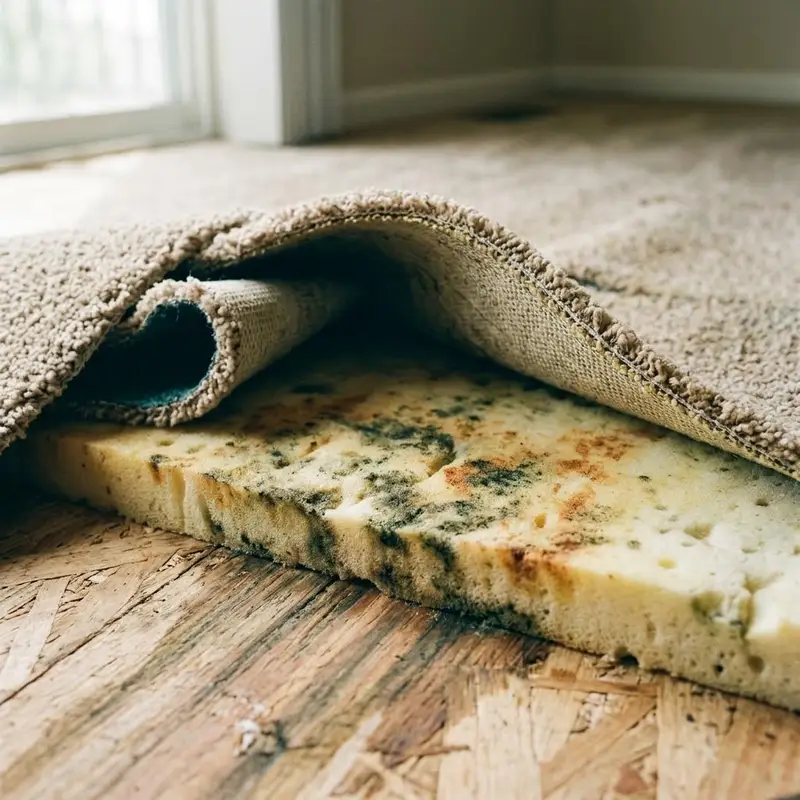
For reliable guidance on mold assessment and removal, many professionals refer to resources like carpetmoldremovalservices.com for detailed protocols. This site offers practical information on identifying moisture issues and selecting the right drying methods for different property types.
Ventilation and Drying Strategies
Effective carpet mold removal depends on thorough drying of the affected area. In apartments, ventilation can be limited because windows may not open fully, or the unit may be on a high floor with restricted airflow. Using fans and dehumidifiers is common, but they must be operated carefully to avoid spreading spores to other rooms. In rental homes, opening windows and doors is easier, but the risk of outdoor humidity entering the space must be managed. Cross-ventilation works well in dry climates, but in humid regions, a combination of air movers and commercial-grade dehumidifiers is often necessary.
The drying process also varies based on the carpet type and backing. In apartments, many carpets are glued directly to concrete slabs, which can trap moisture underneath. This requires careful lifting and drying from both sides. In rental homes, carpets are often laid over wood subfloors, which can be more forgiving but also susceptible to warping if not dried quickly. Carpet Mold Removal Services Pros emphasize the importance of addressing both the carpet and the underlying material to prevent regrowth. Their approach includes moisture meters and thermal imaging to ensure that all hidden dampness is eliminated.
Mold Remediation Protocols for Apartments
When mold is found in an apartment, the process usually starts with notifying the landlord or property management. A professional inspection is then arranged to assess the extent of the problem. In many cases, the affected carpet must be removed and discarded, especially if it is old or has been wet for more than 48 hours. The subfloor is cleaned and treated with an antimicrobial solution. Depending on the building's layout, the adjacent units may also need inspection to ensure the mold hasn't spread through shared air ducts or wall cavities.
One challenge in apartments is that mold remediation can disturb tenants and require temporary relocation. The work must be done efficiently to minimize disruption. Specialized equipment like HEPA vacuums and negative air machines is used to contain spores. The entire process is often more structured and regulated in apartment buildings, with local housing codes dictating timelines and safety measures.
Mold Remediation Protocols for Rental Homes
In a rental home, the tenant's lease typically outlines responsibilities for mold cleanup. Some leases require the tenant to report mold immediately and to maintain proper ventilation. If the mold is caused by tenant behavior, such as excessive humidity from drying clothes indoors or failing to use exhaust fans, the tenant may be responsible for the cost of remediation. In cases where the mold stems from a structural issue, such as a leaking roof or plumbing failure, the landlord must handle the repairs and the mold removal.
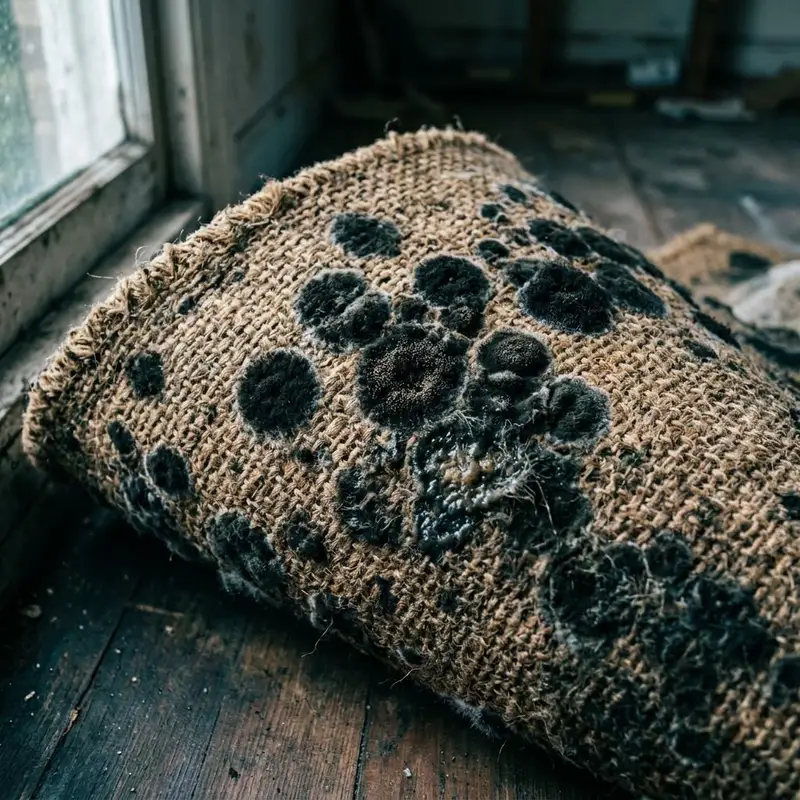
The actual remediation steps are similar to those in apartments: remove the carpet, dry the subfloor, treat with fungicide, and replace the carpet or install a new floor covering. However, the flexibility is greater in a home. The tenant or homeowner can choose to replace carpet with tile or vinyl, which are less prone to mold. Carpet Mold Removal Services Pros often advise clients to consider the long-term moisture risk when selecting flooring materials. In a home, it's also easier to address the underlying cause, like fixing a gutter or regrading the yard, because the property is a standalone structure.
Cost and Insurance Considerations
While specific figures are not discussed here, it's worth noting that the financial responsibility for carpet mold removal can vary. In apartments, the building's insurance may cover the cost if the mold resulted from a covered event, such as a burst pipe. Tenants may need renter's insurance for personal property. In rental homes, the landlord's insurance may cover structural damage, but the tenant's policy often covers personal belongings. The complexity of claims can affect which party initiates the remediation and how quickly it proceeds.
For those seeking detailed information on mold-related insurance claims and remediation methods, website carpetmoldremovalservices.com provides a useful starting point. The site explains how to document damage and work with professionals to restore indoor air quality.
Choosing Between DIY and Professional Help
In both apartments and rental homes, the decision to handle mold removal personally or hire a professional depends on the size of the affected area and the risk of exposure. Small patches (less than one square meter) can sometimes be cleaned with detergent and water, but larger infestations require professional intervention. In apartments, professional help is almost always needed because of the risk of spreading mold to other units. In rental homes, a tenant might attempt a small cleanup, but if the mold is extensive or the carpet is heavily saturated, Carpet Mold Removal Services Pros recommend hiring specialists to ensure the job is done safely and thoroughly.
The professional approach includes containment, air filtration, and proper disposal of contaminated materials. This is especially important in apartments where shared ventilation systems can carry spores throughout the building. In homes, proper containment prevents spores from settling on furniture and clothing. In all cases, the goal is not just to remove visible mold but to address the moisture source and restore the indoor environment to a healthy state.
Prevention and Long-Term Maintenance
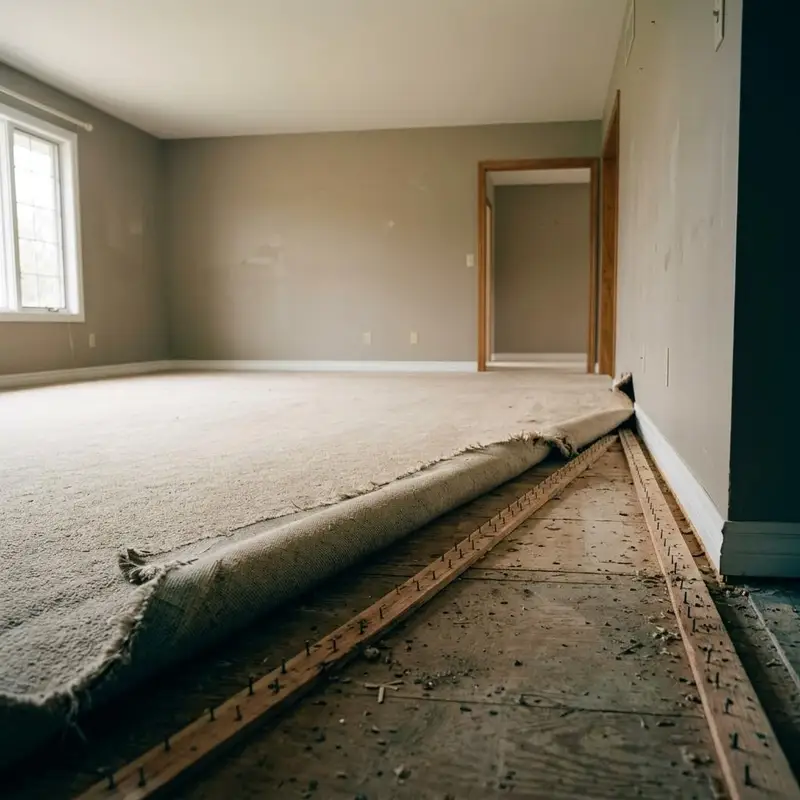
Preventing mold from returning is just as important as the initial removal. In apartments, tenants can help by using exhaust fans in bathrooms and kitchens, reporting leaks immediately, and keeping humidity below 50 percent with a dehumidifier if permitted. Landlords should maintain HVAC systems and seal windows properly. In rental homes, homeowners and tenants should inspect gutters, downspouts, and foundation grading regularly. Ensuring that the crawl space or basement is dry and well-ventilated is critical. Using mold-resistant carpet or area rugs that can be lifted and dried is a smart choice for both settings.
Ultimately, the key to successful carpet mold remediation lies in understanding the unique conditions of the space. Apartments require careful coordination and often more rigorous containment, while rental homes allow for more direct control but demand vigilance from the occupant. By following the right protocols and seeking professional advice when needed, both types of properties can be restored to safe, healthy living conditions.